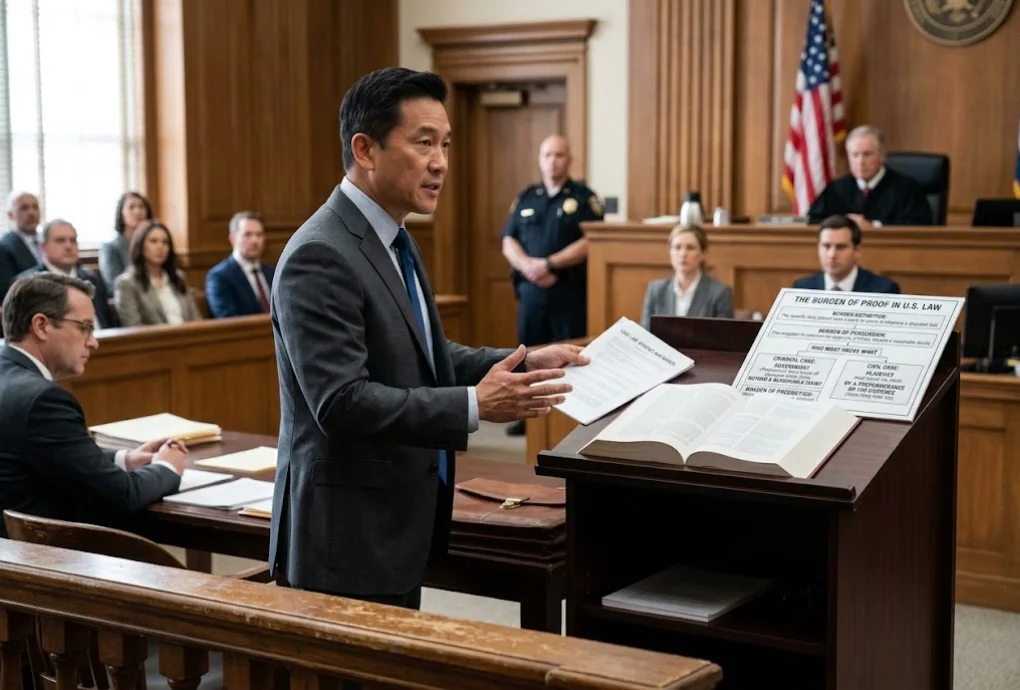
A frivolous lawsuit is more than a case that seems weak, unreasonable, or unlikely to win. In U.S. law, the term generally describes claims lacking an arguable basis in law or fact. Courts may also examine whether a filing was made to harass, delay proceedings, or increase litigation costs.
Direct answer: A lawsuit may be considered legally baseless when its factual allegations lack support or its legal theory has no reasonable foundation. Losing a case alone does not establish this. Federal courts can impose sanctions when filings violate procedural rules designed to prevent abusive litigation.
| Key question | U.S. legal overview |
|---|---|
| Basic meaning | A claim has no arguable legal or factual basis |
| Does losing make a case baseless? | No |
| Main federal civil rule | Federal Rule of Civil Procedure 11 |
| Who can face sanctions? | Parties, attorneys, and sometimes law firms |
| Possible consequences | Monetary sanctions, dismissal, fee awards, or other court orders |
| Rule 11 safe harbor | Usually 21 days for a party-requested sanctions motion |
| Appeals | Separate rules can authorize sanctions for baseless appeals |
| State cases | State statutes and court rules differ |
What Does Frivolous Mean in U.S. Law?

The Supreme Court has described a legally baseless claim as one lacking an arguable foundation in law or fact. That standard appears in Neitzke v. Williams, a case concerning dismissal under the federal in forma pauperis statute. Courts therefore distinguish a legally unsupported filing from an ordinary claim that ultimately fails.
A Frivolous case can fail because evidence is insufficient, witnesses are unpersuasive, or a disputed legal issue favors the opposing party. None of those outcomes automatically proves that filing the case was improper. Courts generally preserve room for legitimate disputes and good-faith arguments seeking changes in existing law.
This distinction matters because sanctions can affect both litigants and lawyers. Calling an opponent’s lawsuit ridiculous during an argument does not create a legal finding. A judge must apply the governing rule, statute, precedent, and procedural requirements to the actual filing.
What Makes a Lawsuit Legally Baseless?
Federal Rule of Civil Procedure 11 provides the main framework for many federal civil filings. By presenting a covered paper, the signer makes several certifications concerning purpose, law, and factual support. These duties apply when the filing is presented to the court.
A filing can create Rule 11 problems in several ways.
- It is presented primarily to harass another party.
- It is intended to cause unnecessary delay.
- It needlessly increases litigation costs.
- Its legal position lacks support under existing law.
- it lacks a good-faith argument for changing existing law.
- factual claims lack evidentiary support without a reasonable basis for expecting later support.
- Factual denials are not reasonably supported.
A new legal argument is not automatically sanctionable because no court has accepted it before. Rule 11 expressly permits good-faith arguments seeking extensions, modifications, or reversals of existing law. That protection allows legitimate legal development while discouraging filings with no reasonable foundation.
Evidence also matters when evaluating whether factual assertions have a reasonable basis. Lawflowa’s guide to the preponderance of evidence standard explains the ordinary burden used for many civil factual disputes. Understanding that burden helps separate inadequate proof from allegations that lacked reasonable support from the beginning.
A Losing Lawsuit Is Not Automatically Sanctionable
One of the most important distinctions involves unsuccessful claims. Courts regularly reject lawsuits involving genuine factual disputes, difficult precedent, or incomplete evidence. A loss does not prove that the plaintiff or attorney abused the judicial process.
Consider a contract case where both parties produce documents supporting different interpretations. A judge may ultimately accept the defendant’s interpretation and dismiss the plaintiff’s claim. The plaintiff’s position can still have been reasonable when filed.
Contrast that situation with a complaint relying on a legal right that plainly does not exist. The concern becomes stronger when the filer knew the theory lacked support and had no good-faith reform argument. Similar concerns arise when serious factual allegations are made without investigation or identifiable evidentiary support.
Lawflowa’s civil lawyer guide provides broader context about case evaluation, documents, responses, negotiations, and court representation. Those ordinary litigation tasks often determine whether facts and legal theories receive adequate investigation before filing.
What Sanctions Can a Federal Court Impose?
Rule 11 allows a federal court to impose an appropriate sanction after finding a violation. Sanctions may apply to an attorney, a law firm, a party, or another responsible person. The exact result depends on the violation and the court’s authority.
The rule focuses primarily on deterrence rather than creating an automatic punishment formula. A court may impose nonmonetary directives or require a penalty paid into court. In qualifying situations, an order may include reasonable attorney fees and expenses resulting from the violation.
Sanctions are not identical to ordinary case dismissal. A lawsuit can be dismissed because the plaintiff failed to establish a valid claim without triggering Rule 11 penalties. Conversely, sanctionable conduct can involve a particular motion or contention rather than every issue within a case.
How the 21-Day Rule 11 Safe Harbor Works
A party seeking Rule 11 sanctions generally must follow a specific procedure. The sanctions motion must be made separately and describe the challenged conduct. It is normally served on the opposing side before being filed with the court.
The challenged party generally receives 21 days to withdraw or appropriately correct the questioned filing. If the problem is corrected during that period, the requesting party generally cannot present that motion to the court. Missing this procedure can defeat a party-requested Rule 11 motion even when the underlying complaint appears weak.
Court-initiated sanctions operate differently because the judge may issue an order requiring the responsible person to show cause. The party-motion safe harbor does not operate in the same way in that setting. Anyone facing an active sanctions issue should review the current federal rule and applicable local procedures.
Practical Examples of Potentially Sanctionable Claims
Examples are easier to understand when the difference between weak and baseless litigation remains clear. These examples are simplified hypotheticals rather than conclusions about any specific real lawsuit. Actual results depend on jurisdiction, evidence, procedural rules, and the complete record.
- Invented legal theory: A plaintiff demands damages under a statute that clearly creates no private right of action.
- Unsupported factual accusation: A complaint alleges serious misconduct without evidence, investigation, or a reasonable expectation of later support.
- Harassment filing: Someone repeatedly files the same rejected allegations mainly to impose costs on an opponent.
- Improper delay: A party submits motions with no reasonable legal basis primarily to slow the litigation.
- Good-faith argument: A lawyer asks a court to modify existing precedent and supports the request with reasoned authority. This is not automatically sanctionable.
- Ordinary losing claim: A plaintiff has admissible supporting evidence, but the judge finds the opposing evidence more persuasive.
Discovery can later confirm or undermine factual positions taken during a lawsuit. Lawflowa’s Rule 36 guide explains how requests for admission can narrow disputed issues during federal civil litigation. That process differs from Rule 11, but both can affect how unsupported positions are exposed.
Can Appeals Also Be Sanctioned?
Yes, federal appellate courts have separate authority addressing baseless appeals. Federal Rule of Appellate Procedure 38 permits an appellate court to award just damages and single or double costs. The affected party must first receive notice and a reasonable opportunity to respond.
A sanctions request under Rule 38 generally requires a separately filed motion unless notice comes from the court. Merely inserting a sanctions demand inside an appellate brief does not satisfy that procedural requirement. Appellate sanctions therefore have their own standards and procedures.
Bankruptcy appellate proceedings also contain a specific rule addressing meritless appeals and related misconduct. Current Bankruptcy Rule 8020 permits damages and costs after appropriate notice and an opportunity to respond. These provisions show why the governing court and type of proceeding always matter.
Federal Rules Do Not Replace State Law
Rule 11 governs covered filings in federal civil cases, not every lawsuit filed anywhere in the United States. State courts generally operate under their own civil procedure rules, statutes, professional standards, and appellate provisions. A state rule may resemble the federal approach while differing in procedure or available remedies.
That difference matters before sending a sanctions demand or responding to one. The correct analysis starts with the jurisdiction, court, filing, and specific legal authority cited. Local rules and controlling appellate precedent may add requirements beyond a general nationwide explanation.
A private warning letter also should not be confused with a judicial sanctions order. Lawflowa’s cease and desist guide explains how private demands differ from court orders and government directives. The legal effect depends on the document and the authority behind it.
What Should You Do If You Believe a Claim Has No Basis?
Start by separating your reaction to the allegations from the legal standard governing the filing. Review the complaint, motion, evidence, controlling law, and applicable procedural rule. A claim that seems unfair or inaccurate may still involve a legitimate dispute requiring an ordinary defense.
If Rule 11 may apply, procedural compliance is critical before seeking sanctions. A party-requested motion has requirements concerning separate filing, service, notice, and the correction period. State procedures can be different, so copying federal practice into state court can create problems.
For an active case, substantial legal expense, or a sanctions threat, consider speaking with licensed counsel in the relevant jurisdiction. An attorney can assess both the merits and the procedural route available. This article provides general U.S. legal information and does not replace advice about a specific dispute.
The Practical Takeaway
U.S. courts distinguish unsupported litigation from ordinary cases that simply fail. The central questions concern legal foundation, factual support, purpose, investigation, and compliance with the governing procedural rule. That distinction protects access to courts while giving judges tools to address genuine litigation abuse.
If sanctions are being threatened in an active matter, avoid relying on labels alone. Identify the exact rule, jurisdiction, filing, notice requirements, and available response period. Legal advice from counsel familiar with that court can help protect deadlines and procedural rights.
Frequently Asked Questions
What does frivolous mean in a lawsuit?
In U.S. legal usage, it generally describes a claim lacking an arguable basis in law or fact. The concept can also involve filings made for improper purposes such as harassment or needless delay. The exact standard depends on the rule, statute, and court involved.
Is every lawsuit that gets dismissed legally baseless?
No, dismissal and sanctionable conduct are different legal issues. A complaint can fail because its allegations do not satisfy a legal element or evidentiary requirement. Courts do not automatically punish parties simply because their claims lose.
Can a lawyer be punished for filing an unsupported lawsuit?
Yes, attorneys can face sanctions when the governing requirements are satisfied. Federal Rule 11 can reach attorneys, parties, and responsible law firms in appropriate circumstances. Professional discipline may also arise under separate ethical rules or state procedures.
Can the other side recover attorney fees?
Sometimes, but fee recovery is not automatic whenever a claim fails. Rule 11 permits certain fee awards when they result directly from the violation and meet procedural requirements. Other statutes, court rules, or state laws may provide separate fee-shifting authority.
Can someone file an unusual or new legal argument?
Yes, the federal rule protects nonbaseless arguments seeking to extend, modify, or reverse existing law. Lawyers are not limited to arguments already accepted by every court. They still need a reasoned legal foundation and must comply with factual certification requirements.