
Workplace injuries can happen at any time and in almost every industry. From construction sites and warehouses to offices and hospitals, thousands of employees suffer job-related injuries every year. These injuries can lead to physical pain, emotional stress, medical expenses, and loss of income. This is where workman’s compensation lawyers become extremely important.
In many cases, injured workers struggle to understand their legal rights or deal with insurance companies that delay or deny claims. These legal professionals help injured workers secure fair compensation for medical bills, lost wages, rehabilitation costs, and long-term disability benefits. Hiring an experienced lawyer can make a major difference in the outcome of a workplace injury claim.
This complete guide explains everything you need to know about hiring workman’s compensation lawyers, how workplace injury claims work, what benefits employees can receive, and how to protect your legal rights after a work-related accident.
Workman’s Compensation Lawyers: Quick Guide Table
| Key Point | Explanation |
|---|---|
| Workman’s Compensation Lawyers | Insurance for job-related injuries. |
| Purpose | Protect injured workers financially. |
| Eligible Workers | Employees injured on the job. |
| Lawyer Role | Handles claims and legal process. |
| Importance | Prevents claim denial or delay. |
| Common Injuries | Slips, falls, and accidents. |
| Construction Injuries | Falls and equipment accidents. |
| Office Injuries | Back pain and repetitive strain. |
| Medical Benefits | Covers treatment and hospital bills. |
| Lost Wages | Replaces income during recovery. |
| Permanent Disability | Long-term injury compensation. |
| Temporary Disability | Short-term recovery payments. |
| Partial Disability | Limited work compensation. |
| Claim Process | Report, treat, and file a claim. |
| Claim Denial Reasons | Late or missing documents. |
| Lawyer Help | Appeals and claim support. |
| Evidence Needed | Medical and accident proof. |
| Settlement | Case resolved outside court. |
| Court Hearing | Used for disputed claims. |
| Lawyer Fees | Pay only if the case is won. |
| Case Duration | Weeks to months. |
| Employer Retaliation | Illegal in most cases. |
| Choosing Lawyer | Experience and reviews matter. |
| Insurance Tactics | Try to reduce payouts. |
| Final Benefit | Financial and medical support. |
What Is Workman’s Compensation?

Workman’s compensation, also known as workers’ compensation, is a type of insurance system designed to protect employees who suffer injuries or illnesses because of their jobs. It provides financial and medical support to injured workers without requiring them to prove employer negligence.
In exchange for receiving these benefits, employees usually give up the right to file a traditional lawsuit against their employer. The system is designed to provide faster support and reduce the need for lengthy court battles.
Workers’ compensation laws differ depending on the country or state, but most systems cover:
- Medical treatment expenses
- Temporary disability payments
- Permanent disability benefits
- Lost wages during recovery
- Rehabilitation and therapy costs
- Death benefits for surviving family members
Why Hiring Workman’s Compensation Lawyers Matters?
Many workers believe they can handle a compensation claim on their own. While simple claims may sometimes be approved quickly, many cases become complicated when insurance companies dispute injuries, delay payments, or deny claims.
Workman’s compensation lawyers understand labor laws, insurance procedures, medical documentation requirements, and legal deadlines. Their experience helps injured workers avoid costly mistakes.
An experienced lawyer can:
- File paperwork correctly and on time
- Gather medical evidence
- Negotiate with insurance companies.
- Represent clients during hearings.
- Maximize settlement amounts
- Appeal denied claims
- Protect workers from unfair employer treatment.
Without legal guidance, injured employees may accept lower settlements than they deserve.
Common Workplace Injuries Covered by Compensation Claims
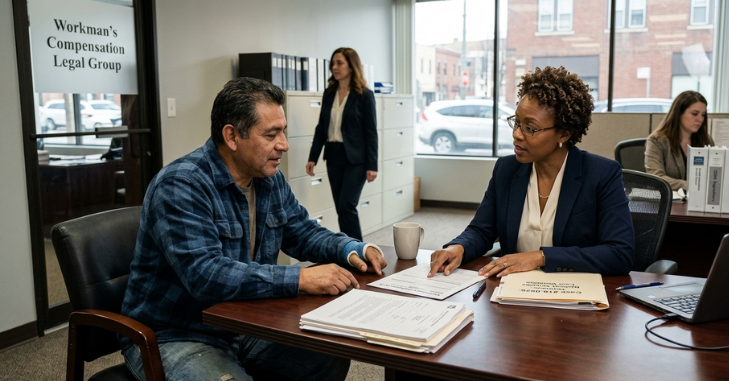
Workman’s compensation lawyers handle many types of workplace injury cases. Some injuries happen suddenly, while others develop over time due to repetitive work conditions.
Slip and Fall Injuries
Slippery floors, unsafe stairways, and poorly maintained workplaces often cause serious falls. These accidents may lead to fractures, head injuries, or spinal damage.
Construction Accidents
Construction workers face dangerous conditions daily. Falls from heights, equipment accidents, electrical injuries, and incidents involving heavy machinery are common.
Repetitive Stress Injuries
Employees who perform repetitive tasks may develop conditions such as carpal tunnel syndrome, tendonitis, or chronic joint pain.
Back and Neck Injuries
Heavy lifting, poor posture, and physically demanding jobs can result in severe back or neck injuries.
Occupational Illnesses
Some workers develop illnesses due to exposure to toxic chemicals, dust, or unsafe environments. These may include respiratory diseases, skin conditions, or long-term health complications.
Vehicle-Related Work Injuries
Delivery drivers, truck operators, and traveling employees may suffer injuries in work-related vehicle accidents.
How Workman’s Compensation Lawyers Help With Medical Benefits?

Medical costs after a workplace injury can become overwhelming. Compensation lawyers help injured workers recover expenses related to:
- Emergency room visits
- Surgeries
- Hospital stays
- Physical therapy
- Prescription medications
- Medical equipment
- Rehabilitation programs
- Specialist consultations
Insurance companies sometimes try to limit treatment or deny necessary procedures. Lawyers work with medical experts to establish the severity of injuries and secure appropriate treatment coverage.
Signs You Need a Workman’s Compensation Lawyer

Not every injury claim requires legal representation, but certain situations make hiring a lawyer extremely important.
You should contact a lawyer if:
- Your claim was denied.
- Your employer disputes the injury.
- Benefits are delayed.
- You suffered a permanent disability.
- Medical treatment is denied.
- You are pressured to return to work too early.
- You cannot perform your previous job duties.
- Insurance companies offer low settlements.
- Your injury involves long-term complications.
Experienced lawyers know how to handle complex legal and insurance challenges.
How to Choose the Best Workman’s Compensation Lawyer?
Choosing the right lawyer can significantly affect the success of your claim.
Look for Experience
Select a lawyer who specializes in workers’ compensation law. Experienced attorneys understand legal procedures, court systems, and insurance company tactics.
Check Reviews and Reputation
Client reviews and testimonials can provide insight into a lawyer’s professionalism and success rate.
Ask About Communication
Good lawyers explain legal matters clearly and keep clients updated throughout the process.
Understand Fee Structures
Most workman’s compensation lawyers work on a contingency fee basis. This means clients only pay if the lawyer wins compensation.
Evaluate Case Results
Ask about previous case outcomes and settlement experience.
Common Reasons Compensation Claims Get Denied

Insurance companies deny claims for many reasons. Understanding these issues can help workers avoid problems.
Late Reporting
Failing to report injuries quickly may lead insurers to question the validity of the claim.
Lack of Medical Evidence
Insufficient medical documentation can weaken the case.
Pre-Existing Conditions
Insurance companies sometimes argue that injuries existed before the workplace accident.
Missed Deadlines
Workers’ compensation claims have strict filing deadlines.
Employer Disputes
Some employers may deny that the injury occurred at work. Workman’s compensation lawyers know how to challenge these denials effectively.
Can You Be Fired for Filing a Workers’ Compensation Claim?

Many employees fear losing their jobs after reporting injuries. In most regions, employers cannot legally retaliate against workers for filing legitimate compensation claims.
Retaliation may include:
- Wrongful termination
- Reduced hours
- Demotion
- Workplace harassment
- Threats or intimidation
If retaliation occurs, workers should contact a lawyer immediately.
Settlement vs Trial in Workers’ Compensation Cases
Many workplace injury claims end through settlements rather than court trials.
Settlements
A settlement is an agreement where the worker receives compensation in exchange for resolving the claim.
Benefits of settlements include:
- Faster payment
- Reduced stress
- Avoiding lengthy court hearings
- Financial certainty
Trials and Hearings
If negotiations fail, lawyers may present evidence before a judge or compensation board. Experienced workman’s compensation lawyers prepare strong legal arguments supported by medical evidence and witness testimony.
Workplace Safety and Prevention

Although compensation systems provide support after accidents, workplace safety remains extremely important.
Employers should:
- Provide proper safety training
- Maintain safe equipment
- Follow labor safety regulations
- Offer protective gear
- Conduct regular inspections
- Encourage injury reporting
Employees should also follow safety procedures and report hazards immediately.
Myths About Workman’s Compensation Claims
Myth 1: Small Injuries Do Not Need Reporting
Even minor injuries can become serious later. Always report workplace accidents.
Myth 2: Lawyers Are Too Expensive
Most compensation lawyers charge only if they win the case.
Myth 3: Filing a Claim Means Suing Your Employer
Workers’ compensation claims are insurance claims, not traditional lawsuits.
Myth 4: Claims Always Get Approved Quickly
Many claims face delays, disputes, or denials.
Conclusion
Workplace injuries can create serious physical, emotional, and financial difficulties. Medical bills, lost wages, and uncertainty about the future can place enormous pressure on injured workers and their families.
Hiring experienced workman’s compensation lawyers can make the claims process easier, faster, and more successful. These legal professionals help injured employees secure fair compensation, protect their legal rights, and fight unfair insurance practices.
Whether you are dealing with medical expenses, disability benefits, or lost income, the right lawyer can provide valuable support during a difficult time. Understanding your rights, properly documenting injuries, and seeking professional legal guidance are essential steps toward financial recovery and long-term stability.
By choosing an experienced workman’s compensation lawyer, injured workers can focus on healing while professionals handle the legal complexities of the case.
Apart from that, if you want to know more about Motorcycle Accident Case Explained in Detail: Legal Rights, Insurance Claims, Injury Compensation, and Step-by-Step Lawsuit Process then visit our Accidents Law category.
Frequently Asked Questions (FAQs)
Most lawyers work on a contingency fee basis, meaning they are paid only if they secure compensation for the client.
The timeline depends on injury severity, medical treatment, and whether the claim is disputed. Some cases settle in weeks, while others may take months.
This depends on local workers’ compensation laws. Some systems allow employee choice, while others require approval from an approved medical provider.
In some regions, injured workers may still recover compensation through state programs or lawsuits.
Some compensation systems allow claims for work-related emotional or psychological conditions, provided they are supported by medical evidence.