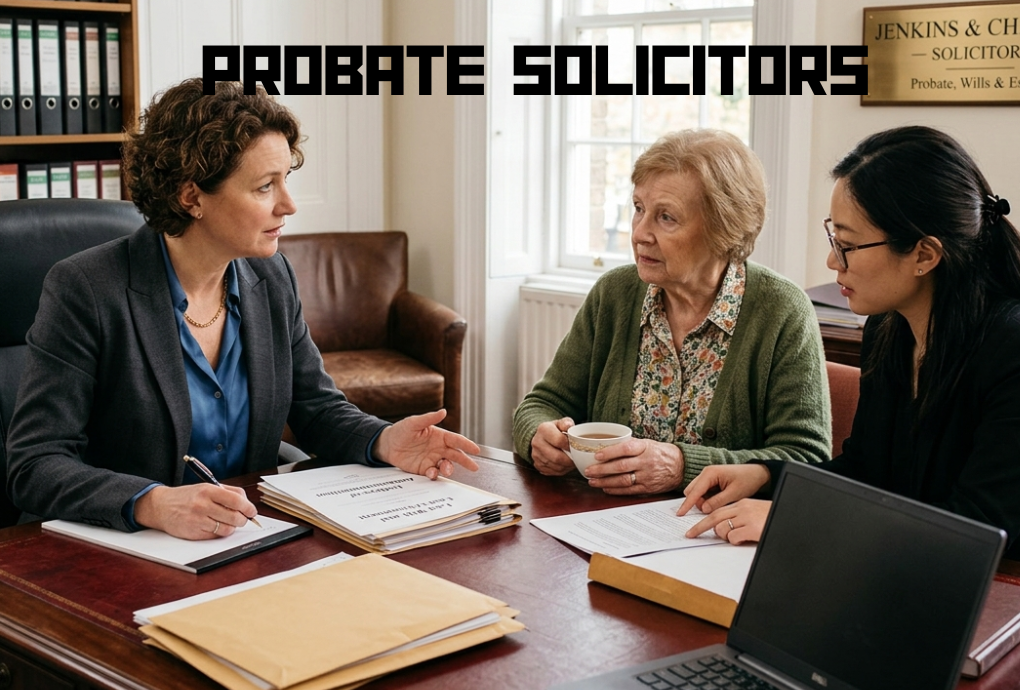
Dealing with the death of a loved one is already emotionally challenging, and the legal process that follows can make it even more overwhelming. Probate solicitors play an important role in guiding families through this difficult period by managing estates, handling wills, and ensuring that inheritance is distributed legally and correctly.
Probate solicitors are legal professionals who specialize in estate administration after someone passes away. Their main responsibility is to ensure that the deceased person’s assets are properly identified, debts are paid, and the remaining property is distributed to the rightful beneficiaries in accordance with the law or the instructions in a valid will.
Understanding how probate solicitors manage estates, handle wills, and help families claim inheritance legally can make the entire process less confusing and reduce the risk of disputes or delays among family members.
| Stage | What Probate Solicitors Do | Why It Matters |
| Initial Review | Examine the will and estate details | Understand legal position and requirements |
| Probate Application | Apply for legal authority to manage the estate | Gain official permission to act |
| Asset Collection | Identify and gather all assets (property, money, investments) | Ensure nothing is missed in the estate |
| Estate Valuation | Calculate the total value of assets and liabilities | Required for taxes and fair distribution |
| Debt & Tax Settlement | Pay outstanding debts, bills, and inheritance taxes | Clear financial obligations legally |
| Beneficiary Verification | Confirm rightful heirs and beneficiaries | Prevent disputes and errors |
| Asset Distribution | Transfer inheritance to beneficiaries | Ensure fair and legal allocation |
| Dispute Resolution | Handle conflicts between family members | Maintain legal compliance and peace |
| Estate Closure | Finalize paperwork and close the estate | Official completion of the probate process |
What Probate Solicitors Do?

Probate solicitors handle the legal and financial responsibilities involved in administering a deceased person’s estate. Their work begins shortly after death and continues until the estate is fully settled.
They typically assist with:
- Confirming whether a valid will exists
- Applying for legal authority to manage the estate (probate)
- Identifying all assets and liabilities
- Paying debts, taxes, and outstanding bills
- Distributing assets to beneficiaries
Their role ensures that everything is completed in compliance with legal requirements.
Managing Estates Step by Step
One of the key responsibilities of probate solicitors is estate management. This involves organizing everything the deceased owned and owed, which can sometimes be complex depending on the size of the estate.
The process usually includes:
- Collecting information about bank accounts, property, and investments
- Valuing the total estate
- Identifying any debts or financial obligations
- Securing and managing assets until distribution
This structured approach helps prevent errors and ensures transparency throughout the process.
Handling Wills and Legal Validation

Probate solicitors also play a crucial role in dealing with wills. If a valid will exists, it must be legally verified before any assets can be distributed.
If there is a valid will:
- The document is submitted for probate
- Executors are confirmed and given legal authority
- Instructions in the will are followed exactly
If there is no will:
- The estate is distributed according to inheritance laws
- Legal heirs are identified by law
- Court procedures may be required
This ensures that inheritance is distributed fairly and legally, even in complicated situations.
Probate Solicitor Responsibilities
| Stage | Role of Probate Solicitor | Purpose |
| Initial review | Examine will and estate details | Understand the legal situation |
| Probate application | Apply for legal authority | Gain permission to manage the estate |
| Asset identification | Locate property and finances | Determine estate value |
| Debt settlement | Pay taxes and outstanding debts | Clear liabilities |
| Distribution | Transfer assets to beneficiaries | Ensure legal inheritance |
| Closure | Finalize paperwork | Complete estate process |
Helping Families Claim Inheritance

Probate solicitors also ensure that beneficiaries receive their inheritance accurately and without unnecessary delays. They assist in resolving conflicts among family members and ensure that the entire distribution process complies with legal guidelines.
Their support is especially valuable in situations involving disputed or unclear wills, large or complex estates, multiple beneficiaries, or missing and incomplete documentation. By effectively managing these challenges, probate solicitors help reduce stress for families and prevent potential legal complications.
Common Situations Where Probate Solicitors Are Needed
Probate solicitors are often required in the following cases:
- When a valid will exists but needs legal approval
- When there is no will, inheritance laws apply
- When family disputes arise over inheritance
- When the estate includes property, businesses, or investments
- When debts must be settled before distribution
In these situations, professional legal guidance becomes essential.
Benefits of Working with Probate Solicitors
Hiring probate solicitors provides several advantages:
- Reduces legal errors and delays
- Ensures compliance with inheritance laws
- Helps resolve disputes between family members
- Handles complex financial and legal documentation
- Provides peace of mind during a stressful time
Their expertise helps ensure a smoother and more organized process.
Step-by-Step Probate Process

Reviewing the Will and Estate Information
Examining the will and compiling all pertinent information about the deceased’s estate is the first step in the probate process.
Applying for Probate (Legal Authority)
To acquire legal authority to administer and distribute the estate, a formal application is submitted.
Collecting and Valuing Assets
All assets, such as property, bank accounts, and investments, are identified and assigned proper values.
Paying Debts and Taxes
Outstanding debts, taxes, and financial obligations are settled using the estate’s funds.
Distributing Remaining Assets to Beneficiaries
After debts are cleared, the remaining assets are distributed to the rightful beneficiaries.
Closing the Estate Officially
Once everything is completed, the estate is formally closed through legal procedures.
Each step must be completed carefully to ensure compliance with the law and avoid legal complications.
Challenges in Probate Cases
Even with professional help, probate cases can face challenges such as:
- Disagreements among family members
- Missing or unclear documents
- Complex tax requirements
- International assets or property
- Legal disputes over the validity of a will
Probate solicitors help manage and resolve these issues effectively.
Conclusion
Probate solicitors play a vital role in managing estates, administering wills, and ensuring that inheritances are distributed fairly and legally. Their expertise helps families navigate complex legal procedures with confidence and clarity.
Understanding how probate solicitors manage estates, handle wills, and help families legally claim inheritance is essential to avoid mistakes, reduce stress, and ensure the entire process is completed in accordance with the law.
Want to know about Intellectual Property Attorney Guide: Patents, Copyrights, Trademarks, and Licensing Laws Explained for Businesses, Startups, Creators, and Digital Entrepreneurs Check out our Business Law category.
FAQs
The estate is distributed according to the law of inheritance.
It can take several months or longer, depending on the estate’s complexity.
Not always, but they are highly recommended for complex or disputed estates.
They manage estates, handle wills, pay debts, and distribute inheritance legally.