
Consumer Protection Law is an essential area of the legal system that safeguards the rights and interests of individuals in the marketplace. A consumer protection lawyer is a trained legal professional who specializes in protecting consumers from unfair business practices, fraud, defective products, misleading advertisements, financial scams, privacy violations, and other unlawful activities carried out by companies or service providers. For a closer look at this, see USERRA Rights.
In today’s modern world, where digital transactions, online shopping, and financial services are rapidly increasing, the role of consumer protection has become more important than ever. These lawyers act as strong advocates for justice by ensuring that businesses follow ethical standards and comply with consumer protection laws.
| Section | Summary |
| What They Do | Investigate complaints, provide legal advice, represent clients in court, negotiate settlements, and protect consumers from illegal business actions. |
| Importance | Safeguards consumer rights, prevents fraud, ensures fair business practices, supports victims, and builds trust in the marketplace. |
| Types of Cases | False advertising, product liability, debt collection harassment, identity theft, cyber fraud, and misleading contracts. |
| Skills Required | Legal research, negotiation, communication, courtroom skills, critical thinking, and knowledge of consumer laws. |
| Education Path | Bachelor’s degree → Law school (JD) → Bar exam → Legal license. |
| Bachelor’s Subjects | Political Science, Criminal Justice, Business Administration, Economics, Public Administration, and Legal Studies. |
| Law School Study | Contract Law, Consumer Law, Tort Law, Civil Procedure, Constitutional Law, Business Law, Ethics, and internships. |
| Work Environment | Law firms, government agencies, corporate legal departments, nonprofits, and advocacy organizations. |
| Consumer Laws | Laws that protect consumers from unfair, deceptive, and unsafe business practices and ensure transparency. |
| Challenges | Complex cases, powerful corporations, legal loopholes, large documentation, and changing regulations. |
| Career Opportunities | Consumer rights lawyer, product liability lawyer, fraud attorney, compliance officer, government counsel, class action lawyer. |
| Future Scope | Growing demand driven by digital commerce, cybercrime, AI-related issues, online fraud, and global e-commerce expansion. |
What Does a Consumer Protection Lawyer Do?

A consumer protection lawyer is responsible for protecting individuals from unfair, deceptive, and illegal business practices. These legal professionals work to ensure that consumers are treated fairly by companies, financial institutions, manufacturers, retailers, and service providers.
Their role is extremely important in modern society, where people regularly purchase products, sign contracts, use online services, and share personal financial information. Consumer protection investigates complaints made by consumers who believe they have been cheated, misled, or harmed by a business or organization.
Importance of Consumer Protection Lawyers
Consumer protection lawyers serve an essential role in maintaining fairness in commercial activities. Many individuals lack the legal knowledge or financial power to challenge large corporations on their own. These lawyers help balance that inequality by ensuring that businesses follow legal and ethical standards.
- Defending consumer rights and financial interests
- Preventing corporate misconduct and fraud
- Encouraging safe and honest business practices
- Helping victims receive compensation for damages
- Ensuring compliance with consumer protection laws
- Supporting public confidence in the marketplace
- Protecting vulnerable consumers from exploitation
Without consumers, many consumers would struggle to fight against deceptive companies or unfair business practices.
Types of Cases Handled by Consumer Protection Lawyers
False Advertising Cases
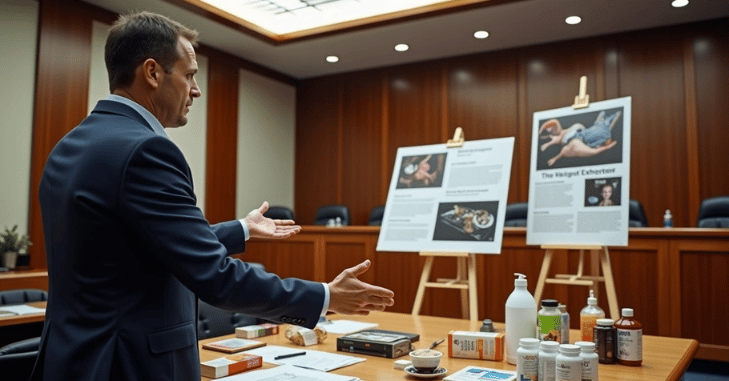
False advertising cases are one of the most common areas handled by consumer protection lawyers. These cases arise when businesses provide misleading, exaggerated, or entirely false information about their products or services to attract customers and increase sales.
Product Liability Cases
Product liability cases involve situations in which consumers are harmed by defective, unsafe, or poorly designed products. Consumer protection lawyers play a crucial role in these cases by holding manufacturers, distributors, wholesalers, and retailers legally responsible for the damage caused. These defects can occur in many forms, including manufacturing errors, design flaws, or failure to provide proper warnings and instructions for safe use.
Debt Collection Harassment
Debt collection harassment occurs when debt collectors use illegal, aggressive, or unethical methods to pressure individuals into paying money. This can include repeated threatening phone calls, abusive language, false legal threats, contacting employers or family members, or trying to intimidate consumers into making payments they may not legally owe.
Identity Theft and Cyber Fraud
Identity theft and cyber fraud cases have become increasingly common with the rise of digital banking, online shopping, and social media use. In these situations, criminals steal personal information such as bank details, passwords, or identification numbers to commit fraud or make unauthorized transactions. Consumer protection lawyers assist victims by helping them report the crime, recover stolen funds, and restore their financial and personal records.
Skills Required to Become a Consumer Protection Lawyer

A successful consumer needs strong legal knowledge and communication skills to represent clients and effectively challenge powerful corporations.
- Legal research and analytical thinking
- Strong negotiation abilities
- Excellent courtroom advocacy
- Communication and client counseling skills
- Problem-solving and critical thinking
- Knowledge of consumer protection laws and regulations
Educational Requirements
Becoming a consumer protection lawyer requires a strong academic background, several years of legal education, and proper professional licensing. The journey typically begins with completing a bachelor’s degree in a relevant field such as law, political science, criminal justice, or business studies. After this, aspiring lawyers must attend law school to earn a Juris Doctor (JD), during which they study essential subjects such as constitutional law, contract law, tort law, civil procedure, and consumer protection regulations.
Earn a Bachelor’s Degree
The first step in becoming a consumer is completing a bachelor’s degree from an accredited university. Many students choose subjects that build a strong foundation in law, business, and consumer relations, which are essential for understanding legal systems and marketplace practices.
These subjects provide a solid understanding of law, business, and consumer relations. Students commonly study:
- Political Science
- Criminal Justice
- Business Administration
- Economics
- Public Administration
- Legal Studies
These academic fields help students develop critical thinking and analytical skills and a basic understanding of how legal systems and commercial environments operate, preparing them for law school and a future career in consumer protection law. We break this down further in Social Security Disability Attorney.
Attend Law School
These subjects help students understand how laws are created, interpreted, and applied in various legal contexts, particularly in cases involving consumer rights and business disputes. Along with classroom learning, law students also gain practical experience through internships, moot court activities, and legal clinics focused on consumer advocacy.
Pass the Bar Examination
To legally practice law, graduates must pass the bar examination in their jurisdiction. This exam evaluates legal knowledge, ethics, and professional competence. After passing the bar exam, lawyers become licensed attorneys authorized to represent clients in legal matters.
Work Environment of Consumer Protection Lawyers
- Private law firms
- Government regulatory agencies
- Consumer advocacy organizations
- Corporate legal departments
- Nonprofit legal aid offices
Their work often involves legal research, client consultations, court appearances, document preparation, negotiations, and investigations into business practices.
Consumer Protection Laws

Consumer protection lawyers work within a framework of laws and regulations designed to safeguard individuals from unfair, deceptive, and harmful business practices. These laws establish clear rules for businesses and ensure that consumers are treated fairly in all types of transactions, whether online or in physical marketplaces. By applying these legal protections, lawyers help victims seek justice and hold companies accountable for violations.
Challenges Faced by Consumer Protection Lawyers
Consumer protection faces a wide range of challenges while representing clients and enforcing consumer rights laws. One of the major difficulties is dealing with large corporations that have significant financial resources and powerful legal teams, making cases complex and highly contested. These lawyers often handle extensive documentation, technical evidence, and detailed investigations, which require strong analytical and research skills.
Another challenge is proving fraud, deception, or negligence, as businesses may attempt to hide or justify their actions through legal loopholes. In addition, consumer protection laws can vary across jurisdictions, making it necessary for lawyers to stay up to date with constantly changing regulations and policies.
Career Opportunities in Consumer Protection Law
Career opportunities in consumer protection law are wide-ranging and offer strong professional growth in both government and private sectors. Lawyers in this field can work in various specialized roles, protecting consumers from fraud, unfair business practices, and corporate negligence.
They may serve as consumer rights attorneys, product liability lawyers, financial fraud attorneys, or data privacy experts, depending on their area of interest. Other career paths include working as government regulatory counsel, corporate compliance officers, or class action litigation attorneys who handle large-scale consumer cases.
Future of Consumer Protection Law
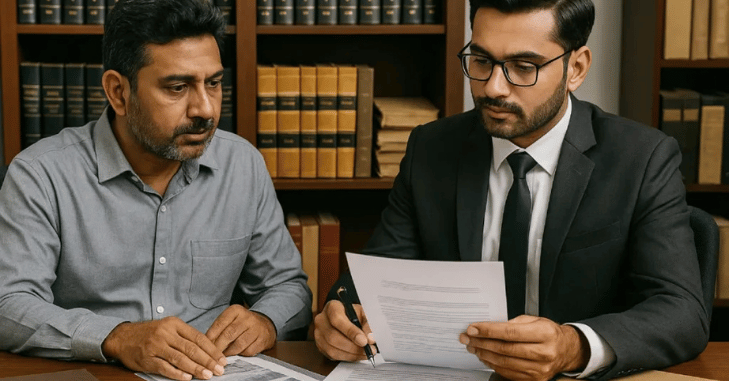
The future of consumer protection law is rapidly evolving due to technological advancements and digital commerce. Lawyers in this field are increasingly dealing with the following:
- Online marketplace disputes
- Cybersecurity and data privacy cases
- Artificial intelligence and consumer rights issues
- Social media advertising regulations
- Cryptocurrency fraud investigations
- Digital payment disputes
- Global e-commerce legal conflicts
As technology continues to transform consumer behavior, consumer protection will remain essential in defending public rights and ensuring legal accountability in the digital economy.
Conclusion
A consumer protection lawyer plays a vital and influential role in ensuring fairness and justice in the business world. From handling cases of fraud, defective products, and misleading advertising to protecting victims of cybercrime, identity theft, and unfair contracts, these legal professionals work tirelessly to defend consumer rights and hold companies accountable for their actions.
Through their education, training, and legal expertise, they are equipped to manage complex disputes and provide effective solutions that help consumers recover losses and achieve justice. Despite facing challenges such as powerful corporations, complicated legal systems, and evolving digital threats, consumer protection continues to serve as a strong shield for individuals against exploitation and injustice.
Want to know about Tax Attorney Explained: What They Do, When You Need One, and How They Can Save You Thousands Check out our Business Law category.
FAQs
Within 30 days of purchase, customers may reject defective products and receive a full refund under Section 23 of the Consumer Rights Act of 2015. Defective products, do not match the description, fall short of the desired quality, etc.
The majority of business concepts originate from an entrepreneur who recognizes a demand for a good or service. An entrepreneur or small business must take into account four primary client needs. These include cost, convenience, choice, and quality.
You should not call or mail the judge directly if you wish to discuss your case with them or request that they take specific action. Rather, you should deliver a written motion in person at the clerk’s office or send it to the judge’s court clerk.
Making thoughtful choices about the goods we purchase by weighing their environmental, societal, and economic benefits is known as responsible consumption.
When a consumer buys a good or service, consumer law protects them from problems such as fraud and misrepresentation. Consumer marketplaces must comply with these rules and regulations.